Let’s talk about that Tupperware graveyard in your fridge. You know the one—containers pushed to the back, filled with last Tuesday’s dinner that looked so promising when you sealed it up. Now it’s a science experiment you’re afraid to open. Every week, you throw away perfectly good food because eating the same meal three days in a row sounds about as exciting as watching paint dry.
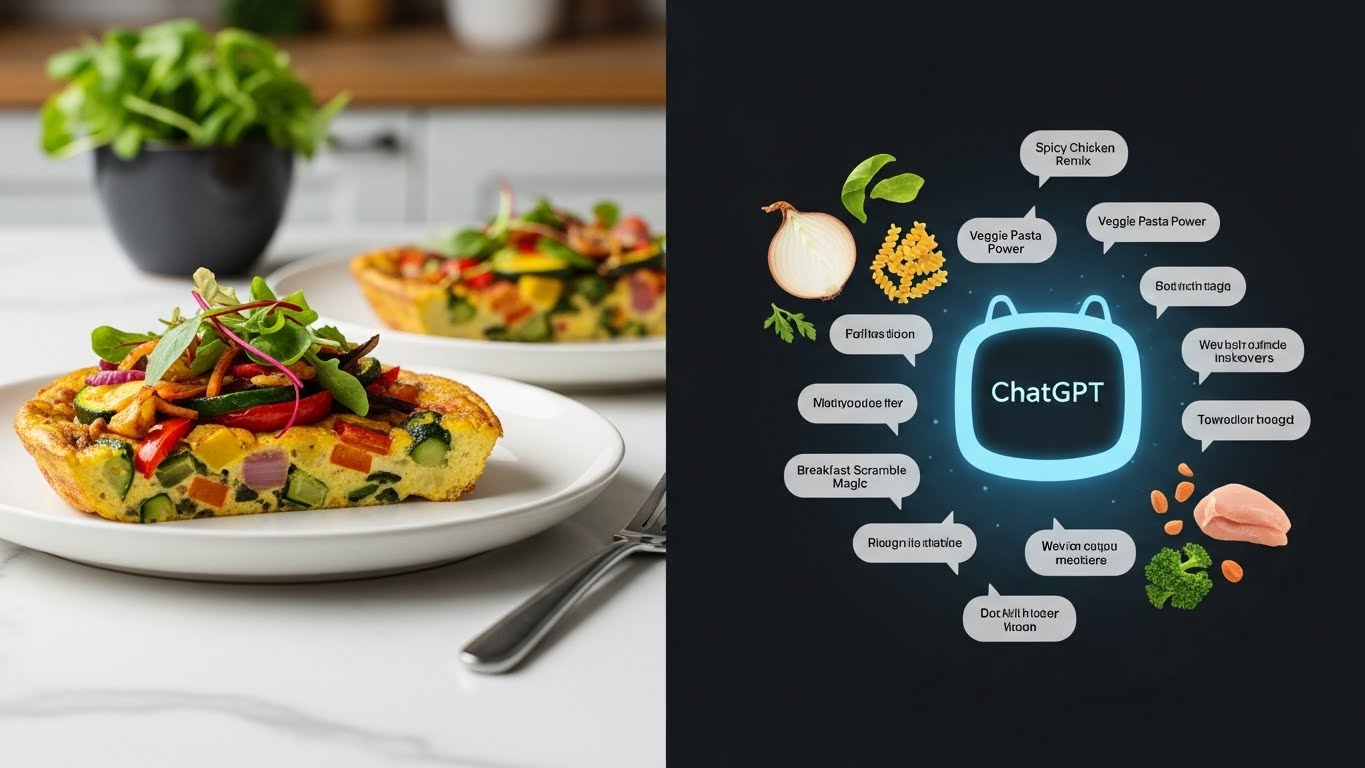
Here’s the painful truth: the average American family throws away $1,500 worth of food annually. That’s not just money down the drain—it’s time spent cooking, grocery shopping, and meal planning, all wasted. But the real tragedy isn’t the financial loss. It’s that those leftovers could have been transformed into completely different, exciting meals instead of becoming landfill contributions.
What if you could look at leftover roast chicken and see tacos, pasta, soup, or fried rice instead of just “chicken again”? What if every ingredient sitting in your fridge could become the foundation for something new and delicious? That’s exactly what these 12 ChatGPT prompts will help you achieve—turning food waste into culinary creativity.
Why We Waste Food (And Why It’s Not Your Fault)
Before we dive into the prompts, let’s understand why leftover management is so challenging:
Flavor fatigue is real. Your brain craves novelty. Eating identical meals repeatedly triggers diminishing returns on enjoyment, even if the food tastes good. This isn’t pickiness—it’s neuroscience. Your taste receptors literally become less responsive to repeated flavors.
We lack transformation skills. Most people can reheat food but don’t know how to reimagine it. Cooking education focuses on making meals from scratch, not on creative repurposing. This knowledge gap means leftovers feel like a dead end rather than a starting point.
Planning backwards is unintuitive. We plan meals looking forward (what should I make tonight?) rather than backward (what do I already have?). This mental model makes leftovers feel like an inconvenience rather than an ingredient.
Visual appeal degrades. Food photography on social media shows fresh, beautifully plated meals. Your three-day-old pasta doesn’t look Instagram-worthy, so your brain registers it as less desirable, even though nutritionally it’s identical.
Portion misjudgment happens constantly. We consistently overestimate how much we’ll eat or underestimate how much a recipe makes. This isn’t a moral failing—it’s a universal human tendency.
The good news? ChatGPT can bridge these gaps, providing instant transformation ideas tailored to exactly what’s in your fridge right now.
How to Use These Prompts for Zero-Waste Success
Getting maximum value from these prompts requires strategic thinking:
Be specific about quantities. “Leftover chicken” is vague. “Two cups of shredded rotisserie chicken” gives ChatGPT precise information to work with, resulting in properly proportioned new recipes.
Describe the current state. Is your rice dried out? Is your roasted vegetables mushy? These texture details matter because different techniques work for different leftover conditions.
Mention your time constraints. A 15-minute weeknight transformation requires different strategies than a weekend project. Be honest about available time.
List all available leftovers. Sometimes the magic happens when you combine multiple odds and ends. That half-cup of rice plus leftover vegetables plus rotisserie chicken becomes fried rice.
Note dietary preferences and restrictions. If you’re feeding kids who hate spicy food or avoiding certain allergens, say so upfront.
Consider your skill level. Beginner cooks need simpler transformations; experienced home chefs can handle more complex techniques.
Now let’s explore the prompts, organized by common leftover categories and situations.
Protein Transformation Prompts
1. The Leftover Meat Metamorphosis
I have [specific amount] of leftover [type of meat: chicken/beef/pork/fish] that was originally [preparation method: roasted/grilled/fried]. It's been in the fridge for [number] days. Transform this into a completely different meal that doesn't taste like leftovers. I want [cuisine style or flavor profile] and have [time available] to cook. The new dish should use the meat as an ingredient, not just reheated protein. Include techniques to restore moisture and add new flavors.
Why this works: This prompt addresses the main leftover protein problem—dryness and flavor monotony. By specifying the original preparation method, ChatGPT can suggest techniques that compensate for texture changes.
2. The Mixed Protein Cleanup Challenge
I have small amounts of multiple leftover proteins: [list each with quantities]. None is enough for a full meal alone, but together they might work. Create a cohesive dish that uses all of these without tasting like a confused kitchen-sink meal. The flavors should work together intentionally. Suggest a unifying sauce or seasoning strategy that brings everything together. I need this to feel like a planned meal, not desperate leftovers.
Why this works: This prompt solves the common problem of having multiple partial portions that individually seem useless. It focuses on flavor harmony, preventing that “everything but the kitchen sink” taste.
3. The Vegetarian Protein Reinvention
I have leftover [beans/lentils/tofu/tempeh] from [original dish]. It's seasoned with [list seasonings if known]. Transform this into a new meal with a completely different flavor profile. I want to avoid just reheating the same flavors. Suggest techniques to change the texture if needed and create an entirely new eating experience. The transformation should be significant enough that it feels like a new meal.
Why this works: Plant-based proteins often get mushier as leftovers. This prompt specifically addresses texture transformation while maintaining protein value.
Grain and Starch Rescue Prompts
4. The Rice Resurrection Master Plan
I have [amount] of leftover rice that's [current condition: dried out/sticky/clumpy]. It's been refrigerated for [timeframe]. Give me 3 different transformation options that work specifically with day-old rice, taking advantage of its texture rather than fighting against it. Include at least one option that takes under 15 minutes and one that could work for breakfast. Explain why day-old rice actually works better than fresh rice for certain applications.
Why this works: Day-old rice is often superior for fried rice and other applications, but most people don’t know this. This prompt educates while providing multiple options.
5. The Pasta Redemption Strategy
I have leftover [type of pasta] with [describe sauce or preparation]. The pasta is [texture condition]. I don't want to just reheat it with the same sauce—that never works well. Transform this into something completely different. Options could include baked pasta dishes, pasta salads, or entirely different applications. Prioritize techniques that restore or enhance texture rather than making it mushier. The result should be something I'd actually want to eat, not just tolerating leftovers.
Why this works: Reheated pasta is universally disappointing. This prompt focuses on transformation techniques that work with pasta’s changed texture rather than trying to restore it to original state.
6. The Potato and Starch Overhaul
I have [type and amount of leftover potatoes/sweet potatoes/other starchy vegetables]. They were originally [preparation: mashed/roasted/boiled/fried]. Transform these into a new dish where they serve a different purpose—perhaps as a base, binder, or filling rather than a side dish. Get creative with applications I might not have considered. Include both quick options and more elaborate possibilities if I have time.
Why this works: Starches are incredibly versatile but most people only know one or two uses. This prompt opens up creative possibilities beyond reheating.
Vegetable Revival Prompts
7. The Wilting Vegetable Rescue Mission
I have vegetables that are past their prime but not spoiled: [list vegetables and their condition]. Some are wilting, some are getting soft. Create a dish that actually benefits from less-than-crisp vegetables. Options might include soups, sauces, casseroles, or other applications where texture softness is an advantage. Include tips for cutting away any truly bad parts while using the rest. Make this waste-reduction feel intentional, not desperate.
Why this works: This prompt reframes “going bad” vegetables as ingredients perfectly suited for certain applications. It’s honest about food waste prevention while maintaining quality standards.
8. The Roasted Vegetable Transformation
I have [amount and types] of leftover roasted vegetables. They're a bit dried out and not as appetizing as when fresh. Transform these into a completely different application—maybe a soup, sauce, grain bowl component, or something I haven't thought of. The key is adding moisture and new flavors that make them exciting again. I want to completely change the eating experience, not just reheat vegetables.
Why this works: Roasted vegetables lose their appeal quickly but have concentrated flavors perfect for other applications. This prompt focuses on moisture restoration and flavor layering.
Complete Meal Makeover Prompts
9. The Full Leftover Inventory Assessment
I'm doing a complete fridge audit. I have: [list everything—proteins, vegetables, grains, sauces, condiments, dairy, etc. with quantities]. Create a meal plan that uses as many of these items as possible over the next 2-3 days. Prioritize items that will spoil soonest. Each meal should feel intentional and delicious, not like random leftovers thrown together. Include a strategic order for using ingredients based on shelf life and combination possibilities.
Why this works: This comprehensive prompt helps you see the big picture and create a strategic plan rather than making daily panic decisions about what to eat.
10. The Restaurant Leftover Reinvention
I have takeout/restaurant leftovers: [describe dish and quantity]. Restaurant portions are huge, but I can't face eating the same thing again. Transform this into a home-cooked meal that uses the restaurant food as an ingredient or base. Add fresh elements if needed to create something that feels new. The goal is to honor what I paid for the restaurant meal by actually eating it, but in a way that's exciting.
Why this works: Restaurant leftovers often languish because they’re meant to be eaten fresh. This prompt helps you salvage that investment by incorporating them into new meals.
Creative Fusion and Innovation Prompts
11. The Leftover Fusion Challenge
I have leftovers from [cuisine 1] and separate ingredients from [cuisine 2]. Create a fusion dish that intentionally combines elements from both in a way that actually makes sense. Don't just throw things together—explain why these flavors and ingredients can work together and how to balance them. Make this feel like innovative cooking, not confusion on a plate. I want something I'd actually order at a trendy fusion restaurant.
Why this works: Fusion done right is exciting. This prompt ensures cultural and flavor respect while encouraging creative combinations that work.
12. The Zero-Waste Ingredient Stretch
I have [primary leftover] and want to make it into [number] more meals by strategically adding minimal fresh ingredients. Suggest a progression of transformations where each iteration feels distinct. For example, Day 1 transformation, Day 2 using Day 1's leftovers, etc. Include shopping list of minimal fresh additions needed. The goal is maximum creativity with minimum new purchases and absolutely zero waste.
Why this works: This prompt creates a sustainable system for using one initial leftover through multiple iterations, each feeling fresh and intentional.
Advanced Leftover Management Strategies
Beyond individual prompts, successful leftover management requires systematic thinking:
The Art of Intentional Leftovers
Cook with transformation in mind. When making rice, make extra specifically for fried rice later. When roasting chicken, plan for tacos or soup. This mental shift makes leftovers feel intentional rather than accidental.
Season strategically. Keep initial preparations relatively neutral so you have flexibility for transformation. Heavy spicing limits options.
Store smart. Separate components when possible. Store protein, sauce, and sides separately so you can remix them differently rather than reheating complete plates.
Label everything. Include contents, date, and even intended transformation ideas on containers. “Rotisserie chicken for tacos” is more inspiring than mystery Tupperware.
Food Safety Reality Check
Let’s be clear about safety because wasting food is bad, but food poisoning is worse:
The 3-4 day rule for most leftovers. Cooked proteins, grains, and vegetables typically stay safe for 3-4 days in refrigerators at 40°F or below.
When in doubt, throw it out. Weird smell, slimy texture, or any signs of mold mean discard immediately. No transformation is worth food poisoning.
Freezing extends life dramatically. If you won’t eat leftovers within 3 days, freeze them immediately while fresh. Frozen leftovers last 2-4 months.
Reheating rules matter. Bring foods to 165°F internal temperature when reheating. This kills most bacteria that might have grown during storage.
Trust your senses. If something looks, smells, or tastes off, don’t eat it regardless of how long it’s been stored.
Storage Techniques That Preserve Quality
Airtight containers prevent drying. Oxygen is the enemy of leftover quality. Invest in quality containers with tight seals.
Proper cooling matters. Cool food quickly in shallow containers before refrigerating. Hot food put directly in the fridge creates temperature danger zones.
Moisture management varies by food. Some leftovers need moisture added; others need to be kept dry. Rice needs moisture when reheating; fried foods need to stay crisp.
Flat storage saves space. Freezer bags laid flat take less space and thaw more evenly than containers.
Creating a Leftover-Friendly Kitchen System
Transparent containers help. You’re more likely to use leftovers you can see. Clear containers on front shelves beat opaque ones in the back.
Designated leftover shelf. Keep all leftovers in one fridge zone so you know exactly what needs using.
The “eat first” rotation. Move oldest items to the front, newest to back. Simple but effective.
Weekly fridge audit ritual. Set a specific day (like Sunday) to assess everything and make a plan.
Common Leftover Transformation Techniques
Understanding these basic techniques unlocks infinite possibilities:
Texture Transformation Methods
Crisping in the oven or air fryer. Revives fried foods, roasted vegetables, and pizza. High heat and air circulation restore crunch.
Pureeing into soups or sauces. Any cooked vegetable can become soup. Most proteins can be shredded into tacos or mixed into sauces.
Chopping and incorporating. Diced leftover proteins disappear into fried rice, pasta, omelets, or quesadillas.
Baking into casseroles. When all else fails, most leftovers can be layered with sauce and cheese, then baked into something comforting.
Flavor Transformation Strategies
Complete seasoning overhaul. Italian-seasoned chicken becomes Asian-style with ginger, soy sauce, and sesame oil.
Sauce is everything. New sauce = new dish. Leftover meat in BBQ sauce, curry sauce, or cream sauce becomes three different meals.
Acid brightens everything. Squeeze of lemon, splash of vinegar, or dollop of yogurt makes day-old food taste fresh again.
Fresh herbs add vitality. Handful of fresh cilantro, basil, or parsley makes leftovers feel newly made.
Heat level adjustment. Adding spicy elements transforms mild leftovers into exciting new dishes.
Form Factor Changes
Sandwiches and wraps. Nearly anything becomes portable and interesting in bread or tortillas.
Bowl meals. Layer grains, proteins, and vegetables with sauce for cohesive bowls that feel intentional.
Breakfast integration. Leftovers in omelets, frittatas, or breakfast burritos start the day creatively.
Appetizer transformation. Turn leftovers into spring rolls, dumplings, or stuffed mushrooms for parties.
The Psychology of Leftover Success
Beyond technique, mindset matters:
Reframing the Leftover Narrative
“Ingredients” not “leftovers.” Language shapes perception. Calling them ingredients makes them feel like cooking starting points.
Celebrate creativity. View leftover transformation as a creative challenge, not a chore. It’s culinary problem-solving.
Environmental impact matters. Every leftover used is food saved from landfills. That’s genuinely meaningful.
Financial pride is valid. Getting three meals from one cooking session is smart economics. Feel good about it.
Building the Leftover Habit
Start small. Transform one leftover meal per week. Master that before adding more.
Track successes. Note which transformations worked well. Build a personal repertoire.
Forgive failures. Sometimes transformations don’t work. Learn and move on.
Share wins. Tell people about great transformations. Social reinforcement builds habits.
Leftover Emergency Troubleshooting
When transformations go wrong, here’s how to recover:
“This tastes bland.” Add acid (citrus, vinegar), salt, and fresh herbs. Bland usually means underseasoned.
“The texture is weird.” Change the form factor. Mushy vegetables puree into soup; dry meat shreds into tacos.
“The flavors clash.” Add a unifying element like cheese, cream, or a dominant spice that brings everything together.
“There’s not enough.” Stretch with eggs, pasta, rice, or beans. A little leftover protein goes far in fried rice or frittatas.
“I’m just not excited about this.” Sometimes you need permission to eat something else. It’s okay. Freeze the leftover for later when you’re more interested.
Your Zero-Waste Journey Starts Now
You now have 12 powerful ChatGPT prompts specifically designed to transform leftovers from guilt-inducing fridge clutter into culinary opportunities. These prompts aren’t just about using food before it spoils—they’re about reimagining your relationship with ingredients, creativity, and waste.
The environmental impact of food waste is staggering. Globally, about one-third of all food produced is wasted, contributing significantly to greenhouse gas emissions. But here’s the empowering truth: your kitchen decisions matter. Every leftover transformed is a small victory for your wallet, your creativity, and the planet.
Here’s your action plan starting tonight: Open your refrigerator right now. Actually look at what’s in there. Find one leftover that’s been sitting for a day or two—something you’ve been avoiding.
Choose the prompt that matches that leftover. Customize it with specific details about quantities, condition, and your available time. Open ChatGPT and paste it.
Then actually make that transformation. Don’t just save the recipe. Cook it tonight. Taste it. Experience how that “boring leftover” became something you actually wanted to eat.
When it works—and with the right prompt and honest details, it will—you’ve just changed your relationship with food waste. You’ve proven to yourself that leftovers aren’t the end of the road. They’re the beginning of something new.
Your fridge is waiting. Your leftover makeover is one prompt away. Stop throwing away money, time, and food. Start creating instead.