Let’s be honest—dragging yourself out of bed and functioning like a normal human being before 9 AM is a struggle. You hit snooze three times, stumble to the kitchen like a zombie, and desperately need something to jumpstart your day. Enter the morning smoothie: your liquid energy boost that actually tastes good and doesn’t require you to think too hard before caffeine kicks in.
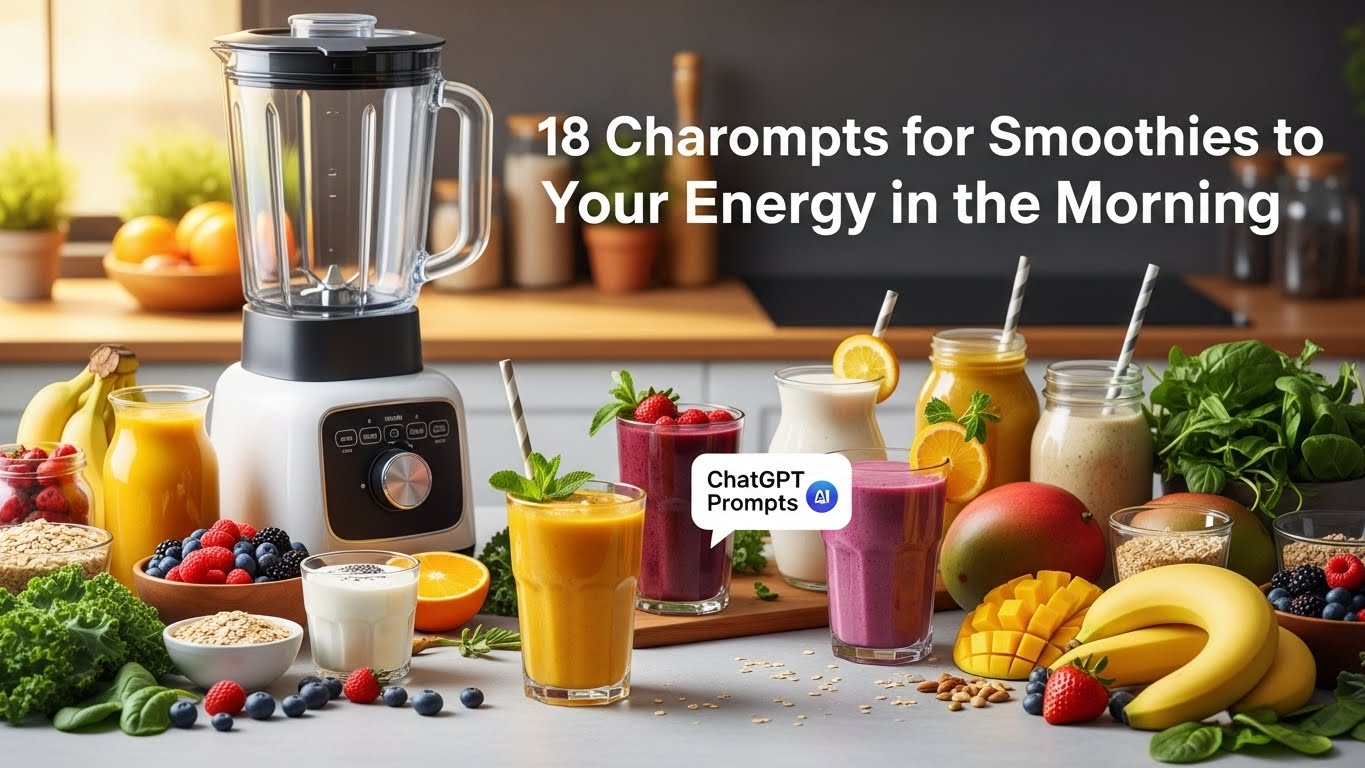
But here’s the problem: most smoothie recipes online are either disgusting green sludge that tastes like lawn clippings, or sugar bombs disguised as health food that crash your energy by 10 AM. What if you could have ChatGPT create personalized energy-boosting smoothies tailored exactly to your taste preferences, nutritional needs, and whatever random ingredients are hiding in your fridge?
In this comprehensive guide, you’ll discover 18 powerful ChatGPT prompts designed to create morning smoothies that genuinely energize you. These aren’t your basic banana-and-spinach recipes—these prompts will help you unlock smoothie combinations that fuel your body, sharpen your mind, and actually make you look forward to mornings.
Why Your Morning Smoothie Matters More Than You Think
Before we dive into the prompts, let’s talk about why starting your day with the right smoothie is a game-changer for your energy levels.
Nutrient absorption happens faster. When you blend whole foods, you’re essentially pre-digesting them. Your body can absorb the vitamins, minerals, and energy-boosting compounds much faster than it would from solid food. This means quicker energy delivery to your cells.
Blood sugar stability determines your energy. The right combination of fiber, healthy fats, and protein prevents the dreaded mid-morning energy crash. A well-designed smoothie keeps your blood sugar stable for hours, maintaining consistent energy rather than that spike-and-crash roller coaster.
Hydration amplifies everything. Most people are mildly dehydrated in the morning, which directly impacts energy levels, mental clarity, and mood. A smoothie delivers both nutrients and hydration simultaneously.
Cognitive function gets an immediate boost. Certain ingredients—like berries rich in antioxidants, omega-3 fatty acids, and B vitamins—specifically support brain function and mental energy. The right morning smoothie doesn’t just wake up your body; it switches on your brain.
Now let’s explore how to use ChatGPT to create smoothies that actually deliver on these promises.
How to Use These Prompts Effectively
Getting the most from these ChatGPT prompts requires a strategic approach:
Be specific about your energy goals. Are you looking for sustained energy for a long workday? Quick energy before a morning workout? Mental clarity for an important meeting? Different goals require different nutritional approaches.
Mention your taste boundaries. If you hate the taste of spinach or gag at chalky protein powder, say so. ChatGPT will work around your preferences to create something you’ll actually drink.
Include your equipment. A basic blender has different capabilities than a high-powered Vitamix. Mentioning what you have ensures recipes that work with your setup.
Consider timing and convenience. Some smoothies need fresh ingredients, while others can be prepped in advance. Be clear about how much morning time you realistically have.
Iterate based on results. After trying a recipe, tell ChatGPT what worked and what didn’t. “This was too thick” or “I need more protein” helps refine future recommendations.
Let’s get to the prompts, organized by specific energy needs and lifestyle situations.
Prompts for Sustained All-Morning Energy
1. The Balanced Energy Foundation
Create a nutritionally balanced morning smoothie recipe that provides sustained energy for 4-5 hours. Include a healthy balance of complex carbohydrates, protein (at least 15g), and healthy fats. The smoothie should stabilize blood sugar rather than spike it. I prefer [flavor profile: fruity/nutty/chocolate] and need it to taste good, not like a health supplement. Include specific measurements and explain why each ingredient supports sustained energy.
Why this works: This prompt prioritizes the nutritional balance that actually creates lasting energy rather than a quick sugar rush. The protein and fat requirements ensure satiety and metabolic stability.
2. The Low-Glycemic Energy Optimizer
Design a low-glycemic morning smoothie that won't cause an energy crash. Use ingredients with a glycemic index below 55, but make it taste naturally sweet without added sugars. Include fiber-rich components and explain how each ingredient affects blood glucose levels. I want to understand the science behind staying energized, not just follow a recipe blindly.
Why this works: Understanding glycemic impact helps you make better smoothie choices long-term. This prompt creates education alongside the recipe.
3. The Fiber-Powered Metabolism Booster
I want a high-fiber morning smoothie (at least 10g fiber) that supports digestive health and provides steady energy throughout the morning. The texture should still be smooth and pleasant, not gritty or chunky. Include a variety of fiber sources and explain how fiber specifically contributes to sustained energy and metabolic function. Make it taste good enough that I forget I'm drinking something healthy.
Why this works: Fiber is crucial for energy stability but often neglected in smoothie recipes. This prompt ensures you get enough while maintaining palatability.
Quick Energy and Pre-Workout Prompts
4. The 5-Minute Morning Rescue
Create an ultra-quick morning smoothie using only 4-5 ingredients that provides immediate energy without complicated prep. I have exactly 5 minutes before I need to leave the house. The recipe should use common ingredients I likely have on hand and blend easily in a basic blender. Prioritize quick-digesting carbs for immediate energy while including enough substance to last until my next meal.
Why this works: Busy mornings need realistic solutions. This prompt acknowledges time constraints while still prioritizing nutrition and energy.
5. The Pre-Workout Energizer
Design a pre-workout smoothie optimized for exercise performance that I'll drink 30-45 minutes before my morning workout. It should provide quick energy without feeling heavy in my stomach. Include easily digestible carbs, a moderate amount of protein, and ingredients that support athletic performance. Avoid anything that might cause digestive distress during exercise. Explain the timing and nutrition science behind your choices.
Why this works: Pre-workout nutrition has specific requirements different from general morning smoothies. This prompt addresses timing, digestibility, and performance.
6. The Natural Caffeine Boost
Create a morning smoothie that provides a natural energy boost similar to coffee but without the jitters or crash. Include natural caffeine sources like [matcha/cacao/yerba mate] and pair them with ingredients that modulate caffeine absorption for smooth, sustained energy. I want the energizing effects without the anxiety or afternoon crash I get from coffee alone. Make it taste indulgent, like a treat.
Why this works: Many people want coffee alternatives that still deliver that morning kick. This prompt creates a gentler energy curve with natural sources.
Brain-Boosting and Mental Clarity Prompts
7. The Cognitive Performance Enhancer
Design a morning smoothie specifically optimized for mental clarity, focus, and cognitive performance. Include ingredients rich in omega-3 fatty acids, antioxidants, and B vitamins that support brain function. I have an important [meeting/presentation/exam] and need peak mental performance. Explain the neurological benefits of each ingredient and how they work together to enhance brain function.
Why this works: Brain health requires specific nutrients. This prompt targets cognitive function specifically, not just general energy.
8. The Anti-Brain Fog Formula
I struggle with morning brain fog and mental sluggishness. Create a smoothie that specifically combats this with ingredients that improve mental alertness, concentration, and cognitive clarity. Include adaptogens or nootropic ingredients if appropriate, and explain how they fight brain fog. The taste should wake up my taste buds as much as the ingredients wake up my brain.
Why this works: Brain fog is a specific problem requiring targeted solutions. This prompt addresses the cognitive aspects of morning energy.
9. The Memory and Focus Optimizer
Create a smoothie packed with brain-boosting nutrients that support memory, learning, and sustained focus throughout a demanding workday. Include ingredients scientifically shown to support cognitive function, like blueberries, walnuts, or avocado. I work in a mentally demanding field and need every cognitive advantage. Balance the brain-boosting ingredients with enough substance to keep me energized physically as well.
Why this works: This prompt combines immediate energy needs with long-term cognitive health, creating a smoothie that supports both body and mind.
Personalized Dietary Needs Prompts
10. The Protein-Packed Power Smoothie
I need a high-protein morning smoothie with at least 25-30g of protein that tastes nothing like chalky protein powder. Use creative protein sources and flavor combinations that make the protein element taste natural, not added. The smoothie should support muscle maintenance and keep me full until lunch. I prefer [protein source: plant-based/whey/collagen] and [flavor profile]. Make it thick and satisfying, like a meal replacement.
Why this works: High-protein smoothies often taste terrible. This prompt specifically addresses the taste challenge while meeting protein requirements.
11. The Plant-Based Energy Builder
Create a completely plant-based morning smoothie that provides all essential amino acids and sustained energy without any animal products. Include diverse plant protein sources that complement each other for complete protein. The smoothie should be rich enough to feel satisfying but light enough to digest easily. I want proof that plant-based energy can match or exceed conventional smoothies.
Why this works: Plant-based nutrition requires more strategic planning for complete proteins. This prompt ensures proper amino acid profiles.
12. The Keto-Friendly Morning Fuel
Design a keto-friendly, low-carb morning smoothie (under 10g net carbs) that still provides substantial energy for the morning. Focus on healthy fats and moderate protein while keeping it naturally sweet without sugar or high-carb fruits. Include MCT oil or other ketogenic ingredients that support sustained energy in ketosis. The texture should be creamy and indulgent, not watery.
Why this works: Low-carb smoothies can be challenging to make satisfying. This prompt addresses the unique requirements of ketogenic nutrition.
Ingredient-Based Innovation Prompts
13. The Superfood Power Blend
Create a morning smoothie featuring 3-5 superfoods known for their energy-boosting properties. Include ingredients like [maca/spirulina/acai/goji berries/hemp seeds] and explain the specific energizing compounds in each superfood. Balance these nutrient-dense ingredients with complementary flavors so the smoothie tastes amazing, not medicinal. I want to understand why these ingredients are worth the investment.
Why this works: Superfoods can be expensive, so this prompt ensures you understand their benefits and use them effectively in delicious combinations.
14. The Seasonal Fresh Produce Smoothie
I have fresh, peak-season [seasonal fruits/vegetables] and want a morning energy smoothie that showcases these ingredients at their flavor peak. Design a recipe that highlights the natural sweetness and nutritional benefits of in-season produce while adding complementary ingredients for sustained energy. Include tips on selecting the best produce and why seasonal ingredients provide superior nutrition and energy.
Why this works: Seasonal produce is fresher, tastier, and more nutritious. This prompt helps you take advantage of what’s available right now.
15. The Creative Leftover Transformation
I have [specific leftover ingredients] in my fridge that I need to use before they go bad. Transform these into an energizing morning smoothie that doesn't taste like leftovers. Get creative with unexpected ingredient combinations that might not traditionally go in smoothies but could work. The result should be surprisingly delicious and provide solid morning energy.
Why this works: Reducing food waste while creating nutrition is smart kitchen management. This prompt helps you use what you have creatively.
Special Situation and Goal Prompts
16. The Budget-Friendly Energy Smoothie
Create a highly effective energy-boosting morning smoothie using only budget-friendly, everyday ingredients that cost under $[specific budget] per serving. No expensive superfoods or specialty items—just smart combinations of affordable, accessible ingredients that still deliver excellent nutrition and energy. Include shopping tips and cost breakdowns. Prove that energy-boosting smoothies don't need to be expensive.
Why this works: Good nutrition shouldn’t require a premium budget. This prompt ensures accessible, affordable energy solutions.
17. The Meal Prep Smoothie Pack System
Design a meal prep system for pre-portioned morning smoothie packs that I can prepare on Sunday for the entire week. Include recipes that freeze well and instructions for optimal storage. Each day should offer a different flavor profile to prevent boredom, but the prep process should be efficient and streamlined. Explain which ingredients to add fresh versus pre-portioned, and provide thawing/blending instructions for busy mornings.
Why this works: Meal prep is key to consistency. This prompt creates a sustainable system rather than one-off recipes.
18. The Travel-Friendly Portable Energy
I travel frequently for work and need a morning energy smoothie strategy that works in hotel rooms with minimal equipment. Create recipes using shelf-stable ingredients and minimal prep, or suggest portable smoothie solutions. Include tips for maintaining the energy-boosting routine even when away from my home kitchen. The solution should be practical for real-world travel situations.
Why this works: Travel disrupts healthy routines. This prompt ensures you can maintain energy levels regardless of location.
Advanced Tips for Maximum Energy Smoothies
Now that you have all 18 prompts, let’s explore advanced strategies to maximize your smoothie’s energy-boosting potential:
Timing Your Smoothie for Optimal Energy
Drink it within 15 minutes of blending. Nutrients begin degrading immediately after blending, especially vitamin C and enzymes. Fresh smoothies deliver maximum energy benefits.
Consider your circadian rhythm. Your body’s cortisol peaks naturally around 8-9 AM. Consuming your smoothie when cortisol is naturally elevated can amplify the energy effects.
Match ingredients to your workout schedule. Pre-workout smoothies need more quick carbs; post-workout versions need more protein. Adjust your prompts accordingly.
Texture and Temperature Tricks
Temperature affects energy absorption. Very cold smoothies can slow digestion. Room temperature or slightly chilled smoothies may provide faster nutrient delivery.
Thickness impacts satiety. Thicker smoothies trigger more satiety signals, keeping you full longer. Add frozen banana or avocado for texture that sustains energy.
Blend order matters. Start with liquids, add powders and soft ingredients, finish with frozen items. This prevents clumping and ensures smooth consistency.
Ingredient Combination Science
Pair vitamin C with iron. Adding citrus to spinach smoothies dramatically increases iron absorption, supporting better oxygen delivery and energy.
Fat activates fat-soluble vitamins. Adding avocado, nut butter, or coconut oil helps absorb vitamins A, D, E, and K—all crucial for energy metabolism.
Protein timing affects different goals. Morning protein supports steady blood sugar; pre-workout protein prevents muscle breakdown; post-workout protein aids recovery.
Hidden Energy Saboteurs to Avoid
Too much fruit creates sugar crashes. Even natural sugar can spike blood glucose. Limit fruit to 1-2 servings and balance with protein and fat.
Ice dilutes nutrients. Using frozen fruit instead of ice maintains concentration of energy-boosting compounds while creating perfect texture.
Wrong liquid bases matter. Fruit juice adds unnecessary sugar; water is fine but misses nutritional opportunities. Try unsweetened plant milk, coconut water, or green tea for added benefits.
Ignoring portion sizes causes problems. A 32-ounce smoothie might have too many calories for a sedentary morning but too few for an athlete. Match serving size to your actual needs.
Troubleshooting Common Smoothie Energy Problems
Even with perfect prompts, you might encounter issues. Here’s how to diagnose and fix them:
“My smoothie gives me energy for 30 minutes, then I crash”
The problem: Too many simple carbs without adequate protein and fat. Your blood sugar spikes then plummets.
The fix: Ask ChatGPT to reformulate with at least 15g protein and 5-10g healthy fat. Reduce fruit content and add fiber sources like chia seeds or oats.
“I feel bloated and sluggish after my morning smoothie”
The problem: Either too much volume, too much fiber too quickly, or a sensitivity to specific ingredients.
The fix: Reduce portion size by 25%. If problems persist, ask ChatGPT to identify potential trigger ingredients and suggest alternatives. Some people struggle with high-FODMAP fruits or certain protein powders.
“My energy smoothie tastes terrible”
The problem: Healthy doesn’t have to taste bad, but some ingredient combinations create unpleasant flavors or textures.
The fix: Be specific with ChatGPT about exactly what tastes bad. “Too grassy” might mean reduce spinach and add fruit. “Too chalky” probably means switch protein powder brands or types. “Too bitter” suggests adding natural sweetness or a pinch of salt.
“I’m not seeing any energy difference”
The problem: Either the smoothie isn’t nutritionally optimized for your specific needs, or you have underlying health issues affecting energy.
The fix: Track your smoothies and energy levels for a week. Note patterns. Share detailed observations with ChatGPT to refine the formula. If no improvement after 2 weeks of optimized smoothies, consult a healthcare provider about potential issues like thyroid problems, nutrient deficiencies, or sleep disorders.
Building Your Personal Smoothie System
The ultimate goal isn’t just making individual smoothies—it’s creating a sustainable system that consistently delivers morning energy without requiring much thought. Here’s how to build yours:
Week One: Experimentation Phase
Try 3-4 different prompts from this list. Pay attention to:
- Which flavors you actually enjoy
- Which ingredients keep you full longest
- Which combinations provide the most noticeable energy boost
- How long different smoothies take to prepare
Week Two: Refinement Phase
Take your top 2-3 recipes and refine them with ChatGPT. Adjust:
- Ingredient proportions based on taste preferences
- Nutritional balance based on how your body responded
- Preparation methods for efficiency
Week Three: System Building
Establish your rotation:
- 3 core recipes you can make automatically
- 1 weekly experimental smoothie to prevent boredom
- A backup plan for busy mornings (simplest recipe or pre-prepped packs)
Week Four and Beyond: Optimization
Continue refining based on:
- Seasonal ingredient availability
- Changing energy needs (increased workouts, stressful periods)
- Budget fluctuations
- New nutrition knowledge
The Science of Smoothie Energy: What Actually Works
Let’s cut through the wellness industry hype and focus on what’s scientifically validated for energy:
Protein prevents crashes. Study after study confirms that protein at breakfast improves blood sugar stability and reduces cravings throughout the day. Aim for 15-30g depending on your body weight and activity level.
B vitamins are energy cofactors. They don’t provide energy directly but are essential for converting food into usable energy. Include B-vitamin-rich ingredients like leafy greens, bananas, and nutritional yeast.
Hydration is half the battle. Even mild dehydration impairs cognitive function and physical performance. The liquid base of your smoothie addresses this immediately.
Antioxidants reduce oxidative stress. High oxidative stress causes fatigue. Berries, cacao, and dark leafy greens provide antioxidants that protect cellular energy production.
Complex carbs provide glucose steadily. Your brain runs on glucose, but the delivery mechanism matters. Complex carbs from oats, sweet potato, or whole fruit release glucose gradually, preventing energy roller coasters.
Healthy fats stabilize everything. Fats slow digestion, preventing blood sugar spikes and providing long-lasting energy. They’re also essential for hormone production, including those that regulate energy and mood.
Your Morning Energy Transformation Starts Tomorrow
You now have 18 powerful ChatGPT prompts specifically designed to create morning smoothies that genuinely boost your energy. These aren’t generic recipes copied from Pinterest—they’re personalized formulas tailored to your unique needs, preferences, and lifestyle.
The difference between dragging through your morning and bouncing out of bed with genuine energy often comes down to one simple decision: what you put in your body within the first hour of waking up. A well-designed smoothie can be the cornerstone of energized, productive mornings.
Start tonight by choosing one prompt that resonates with your current situation. Maybe it’s the 5-Minute Morning Rescue because you’re always rushed, or the Brain-Boosting formula because you have an important project. Open ChatGPT, paste your chosen prompt, and get your recipe ready for tomorrow.
Then actually make it tomorrow morning. Don’t just bookmark this article and forget about it. One smoothie. One morning. See how you feel.
If it works—and it will if you choose the right prompt and follow through—you’ve just found a simple, delicious solution to morning energy that you can use every single day.
Your blender is waiting. Your energized morning is one smoothie away.