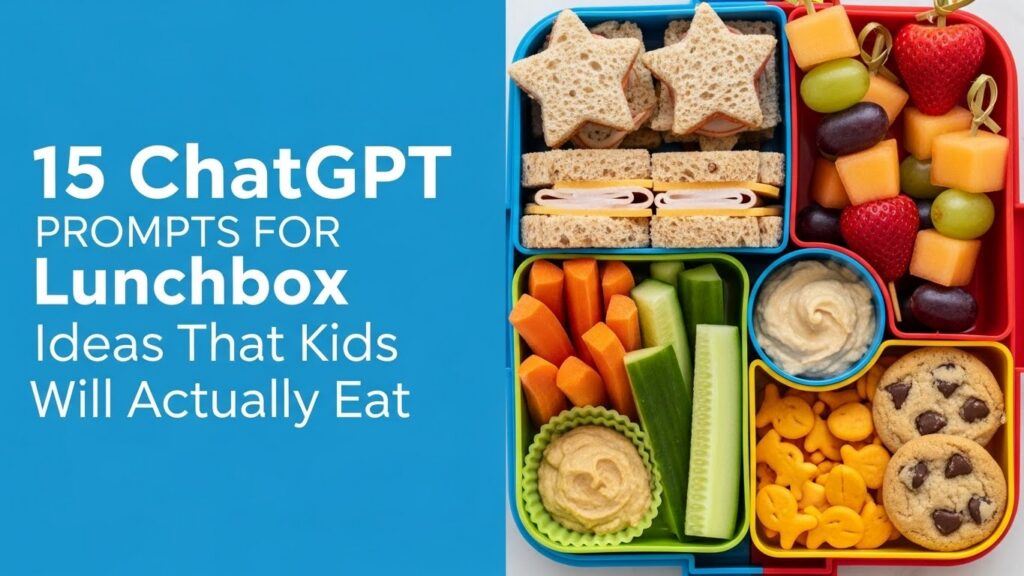
Let’s talk about that soul-crushing moment when your child comes home with a full lunchbox. You spent 20 minutes that morning assembling what you thought was a balanced, appealing lunch with cute shapes and colorful vegetables. They ate the cookies and threw away everything else. Again. Meanwhile, other parents seem to effortlessly pack lunches their kids devour while you’re stuck in a cycle of wasted food, wasted money, and wasted effort on meals that end up in the trash.
Here’s the frustrating reality: most lunchbox advice comes from food bloggers whose kids apparently eat quinoa salads and vegetable sushi without complaint, or from nutritionists who’ve never dealt with a real five-year-old who will only eat beige foods. The gap between Instagram-worthy bento boxes and what actual children will consume in a noisy cafeteria in 20 minutes is vast. You’re not failing as a parent. You’re just getting generic advice that doesn’t account for your specific child’s preferences, school constraints, and the reality of morning chaos.
What if you could get personalized lunchbox strategies based on your child’s actual food preferences, age-appropriate nutrition, and realistic morning preparation time? What if you could move beyond “just pack what they like” (Lunchables every day) versus “force nutrition on them” (returned uneaten)? That’s exactly what these 15 ChatGPT prompts will help you achieve: practical, nutrition-conscious lunchbox solutions that your specific child will actually eat, not aspirational food photos that look pretty but fail in practice.
Why Most Lunchbox Strategies Fail
Before diving into the prompts, let’s understand why packing school lunches is so challenging:
Kids’ taste preferences are biological, not defiance. Children have more taste buds than adults, making them more sensitive to bitter flavors (most vegetables) and drawn to sweet and salty. They’re not being difficult. Their biology is different.
Cafeteria conditions aren’t conducive to eating. Twenty minutes to eat while distracted by friends, noise, and social dynamics means unfamiliar or challenging foods get ignored. Lunchboxes need to be easy to eat, appealing at room temperature, and not require focus or effort.
Peer pressure affects food choices. Kids notice what others eat and judge accordingly. Unusual or “babyish” lunches create social anxiety. Your child might love hummus at home but refuse it at school if no one else has it.
Texture and temperature issues arise. That sandwich you packed was perfect at 7 AM. By noon, it’s soggy, the lettuce is wilted, and the cheese is warm. Foods that don’t travel well return uneaten regardless of taste.
Variety fatigue versus neophobia. You want variety to prevent boredom. Your kid wants the same safe foods because new things are scary. This tension creates the cycle of returned lunches.
Nutrition goals conflict with consumption. The healthiest lunch in the world is worthless if it’s not eaten. Sometimes “good enough” nutrition that’s actually consumed beats “optimal” nutrition that’s thrown away.
Morning time pressure kills creativity. You know you should pack better lunches, but it’s 7:15 AM, everyone’s running late, and you default to whatever’s fastest rather than what’s best.
ChatGPT can help you navigate these challenges by providing personalized strategies based on your child’s preferences, your constraints, and realistic nutrition that gets eaten, not trashed.
How to Use These Prompts for Lunchbox Success
Getting maximum value from these prompts requires honest information and willingness to iterate:
Be specific about your child. Age, specific food preferences and aversions, texture issues, and social concerns all matter. “My child is picky” doesn’t help. “My 7-year-old refuses anything green, hates soft textures, and is self-conscious about different foods” enables targeted solutions.
Acknowledge your constraints. Morning time available, budget, access to refrigeration at school, allergies in the classroom, all affect what’s realistic. Don’t pretend you have unlimited time or resources.
Define success realistically. If your child currently eats 30% of their lunch, getting to 70% is huge progress. Perfect nutrition and 100% consumption is aspirational, not realistic. Incremental improvement beats all-or-nothing thinking.
Involve your child when appropriate. Older kids can participate in planning. Ask them which prompt-generated ideas sound appealing. Ownership increases consumption.
Track what actually works. Note which lunches come back empty versus untouched. Patterns reveal preferences you can build on.
Iterate based on feedback. Use prompts to refine ideas that partially worked or troubleshoot failures. Each returned lunch is data for improvement.
Now let’s explore the prompts, organized by challenge type and child age group.
Foundation Strategy and Preference Mapping Prompts
1. The Complete Child Food Profile Builder
I need a strategic approach to packing lunches for my child. Details: Age [specific age], current food preferences [list foods they reliably eat], strong dislikes [foods they absolutely refuse], texture preferences [crunchy vs soft, smooth vs chunky], temperature preferences [room temp vs needs to stay cold], any allergies or dietary restrictions [specify], social concerns [worried about looking babyish, wants to fit in, etc.], time I have for prep [morning time available], school constraints [microwave access, nut-free classroom, etc.]. Based on this profile, create: (1) A categorized list of foods likely to be accepted. (2) Strategies for gradually introducing new foods. (3) Which nutrition gaps exist and realistic ways to address them. (4) A template for weekly variety that doesn't overwhelm with too much newness. Make this personalized to MY child, not generic kid lunch advice.
Why this works: Generic lunch advice fails because every child is different. This prompt creates a personalized strategy based on your child’s actual preferences and your real constraints.
2. The Gradual Expansion Strategy
My child currently only eats these foods reliably: [list safe foods]. This is nutritionally limited and I'm worried, but forcing new foods backfires. Design a gradual exposure strategy: (1) Identify which new foods are closest to their current preferences (similar taste, texture, or appearance). (2) Create a progression ladder from safe foods to slightly new foods to moderately adventurous. (3) How to present new foods without pressure (exposure without requirement to eat). (4) Pairing strategies: new food alongside beloved food. (5) Different preparation methods for rejected foods (raw carrot vs roasted vs in muffin). (6) Realistic timeline: how long should each step take? I want to expand their diet without creating lunchbox battles or wasted food.
Why this works: Sudden diet changes trigger neophobia (fear of new foods). This prompt creates a gradual, low-pressure expansion strategy that respects your child’s pace.
3. The Texture and Sensory Accommodation Plan
My child has strong texture preferences/sensory sensitivities: [describe specific issues: hates mushy, refuses mixed textures, won't eat anything that touched other foods, etc.]. This limits lunch options significantly. Help me: (1) Identify foods within their accepted texture profile. (2) Preparation methods that achieve preferred textures (crispy, crunchy, dry, separate). (3) Packing strategies that prevent texture degradation (keeping things crispy, preventing sogginess). (4) Compartmentalized lunch solutions that prevent food touching. (5) How to ensure nutrition despite texture limitations. (6) Which texture preferences might expand with age versus which are likely permanent. Create a texture-friendly lunchbox system that respects sensory needs while providing adequate nutrition.
Why this works: Texture issues are real and dismissing them creates returned lunches. This prompt works with sensory preferences rather than fighting them.
Age-Specific and Development-Stage Prompts
4. The Preschool and Early Elementary Strategy
My child is [age 3-7] and needs lunches for [preschool/kindergarten/early elementary]. Specific challenges at this age: (1) Limited fine motor skills, hard-to-open containers or difficult-to-eat foods get abandoned. (2) Short attention span, complex foods lose to playground time. (3) Peer influence starting but not overwhelming yet. (4) Still developing tastes. Design age-appropriate lunches that: (1) Are physically easy to eat with small hands. (2) Can be consumed quickly (15-20 minutes max). (3) Are visually appealing but not babyish. (4) Provide adequate nutrition for growth. (5) Are recognizable, not scary or weird. (6) Account for likely naptime before lunch affecting appetite. Give me a week of specific lunch examples appropriate for this developmental stage.
Why this works: Young children have unique challenges around motor skills and attention. Age-appropriate strategies increase consumption dramatically.
5. The Upper Elementary Independent Eater
My child is [age 8-11] and increasingly independent about food. Challenges: (1) Wants "cool" lunches, not baby food. (2) Influenced by what peers eat. (3) More adventurous but still has limits. (4) Increased appetite from growth and activity. (5) Capable of eating more complex foods. (6) Starting to have opinions about health and nutrition. Create lunch strategies that: (1) Feel age-appropriate and socially acceptable. (2) Provide enough food for growing appetite. (3) Balance nutrition with social acceptance. (4) Potentially involve them in planning/prep. (5) Are portable for eating while socializing. (6) Respect growing independence while ensuring nutrition. My child's current preferences: [list]. Generate a week of lunches suitable for this age.
Why this works: Older elementary kids have different priorities around peer acceptance and independence. This prompt addresses social dynamics alongside nutrition.
6. The Middle School Social Navigation
My middle schooler [age 11-14] faces intense social pressure around food. Current situation: [describe what they're willing/unwilling to bring]. Challenges: (1) Extreme awareness of what's "normal" versus "weird." (2) May be self-conscious about weight, appearance. (3) Wants independence but still needs nutrition guidance. (4) Increased appetite from puberty and growth. (5) After-school activities requiring sustained energy. Design a middle school lunch strategy that: (1) Looks like what other kids eat (no babyish containers or foods). (2) Is nutritious without being obviously "health food." (3) Provides adequate calories for growth and sports. (4) Respects their need for social acceptance. (5) Can be partly self-packed with guidance. (6) Addresses any body image concerns healthily. Generate lunch ideas that won't embarrass them while meeting nutritional needs.
Why this works: Middle school social dynamics are intense and ignoring them guarantees uneaten lunches. This prompt balances nutrition with social reality.
Practical Logistics and Preparation Prompts
7. The Busy Morning Quick-Prep System
I have realistically [time available] minutes each morning for lunch prep. I need a sustainable system, not aspirational Pinterest lunches I'll never maintain. Design: (1) A Sunday meal prep routine maximizing efficiency (what to prep in advance, what to make fresh). (2) Grab-and-go options for chaotic mornings. (3) Mix-and-match components that create variety without starting from scratch daily. (4) Which foods store well versus need last-minute assembly. (5) Streamlined packing process (order of operations, container system). (6) Backup options for when morning goes completely sideways. (7) How to involve kids in age-appropriate prep to reduce my burden. My child's preferences: [list]. Create a realistic weekly system that I can actually maintain long-term.
Why this works: Unsustainable systems fail within weeks. This prompt creates realistic processes matching your actual time and energy availability.
8. The Budget-Conscious Nutritious Strategy
I need to pack nutritious lunches on a tight budget of approximately $[amount] per child per week. Current challenges: (1) Healthy foods seem expensive. (2) Waste from uneaten lunches compounds costs. (3) Convenience foods are pricey but save time. Create budget strategies: (1) Cost-effective protein sources kids will eat. (2) Affordable produce that stores well and appeals to kids. (3) DIY versions of lunch staples (homemade versions of store-bought favorites). (4) Bulk buying and meal prep to reduce per-lunch cost. (5) Using dinner leftovers strategically. (6) Which shortcuts are worth the cost versus which to DIY. (7) Reducing waste by packing foods likely to be eaten. Calculate approximate cost per lunch and show me how nutritious eating can fit my budget.
Why this works: Budget constraints are real and affect food choices. This prompt proves nutrition doesn’t require premium grocery budgets.
9. The Food Safety and Storage Solution
I'm confused about food safety for packed lunches. Address: (1) Which foods are safe at room temperature versus require ice packs. (2) How long can packed lunches safely sit before eating (if lunch is at 11 AM versus 1 PM). (3) Best containers and ice pack systems for maintaining safe temperatures. (4) Foods that shouldn't be packed together due to cross-contamination risks. (5) How to keep cold foods cold and hot foods hot if needed. (6) Preventing spoilage in warm weather or inadequate storage at school. (7) Signs that a lunch component has gone bad. (8) Foods that are lower-risk for safety concerns. My child's lunch period is at [time], packed at [time]. School has [refrigeration available/no refrigeration]. Design a food safety system ensuring lunches are safe while remaining appealing.
Why this works: Food safety concerns are valid and can limit options. This prompt provides clear guidelines enabling safe, varied lunches.
Nutrition-Focused Problem-Solving Prompts
10. The Hidden Nutrition Booster
My child eats their lunch but it's nutritionally inadequate: mostly simple carbs and protein, minimal fruits/vegetables. They won't eat vegetables or fruits in recognizable form. Help me: (1) Sneak nutrition into accepted foods without detection (vegetable-added muffins, fruit purees in dips). (2) Which nutrients am I most likely missing and how to address specifically. (3) "Fun" presentations that make nutrition appealing (ants on a log, fruit kabobs, rainbow theme). (4) Pairing strategies: healthy food alongside treat as incentive. (5) Small portions of nutritious foods as exposure without pressure. (6) Supplements if gaps can't be filled through food alone (realistic assessment). (7) Long-term strategy for transitioning from hidden to visible nutrition. Current accepted foods: [list]. Target nutrients I'm worried about: [specify if known].
Why this works: Sometimes nutrition needs to be hidden initially. This prompt provides strategies for ensuring adequate nutrition even with limited accepted foods.
11. The Allergy and Restriction Navigation
My child has [specific allergies/dietary restrictions: nut allergies, celiac disease, dairy intolerance, etc.]. Additional complication: their classroom is [nut-free/allergen-aware]. This limits options significantly. Create strategies for: (1) Safe protein sources given restrictions. (2) Allergen-free versions of popular lunch items (alternatives to PB&J, dairy-free cheese, etc.). (3) Preventing cross-contamination in packing. (4) Labeling and communication with school. (5) Ensuring adequate nutrition despite eliminated food groups. (6) Managing social aspects (not feeling left out when others eat restricted foods). (7) Teaching child to self-advocate about allergies. (8) Emergency backup options that are always safe. Provide a week of safe, nutritious, appealing lunches within these constraints.
Why this works: Allergies and restrictions require careful navigation. This prompt creates safe strategies while maintaining nutrition and social acceptance.
12. The Hydration and Beverage Strategy
I'm unsure about drinks in packed lunches. Address: (1) Water versus milk versus juice: pros/cons of each. (2) Flavored water or drinks: which are reasonable versus sugar bombs? (3) Homemade alternatives to packaged drinks. (4) Hydration needs for different ages and activity levels. (5) Keeping drinks cold without leaking or condensation issues. (6) Teaching kids to drink enough throughout the day, not just at lunch. (7) School policies about beverages (some ban juice boxes, etc.). (8) Electrolyte replacement for athletic kids. My child is [age], activity level [description]. School allows [beverage types]. Create a beverage strategy balancing hydration, nutrition, convenience, and school rules.
Why this works: Beverages are often overlooked but contribute significant calories and sugar. This prompt creates an intentional hydration strategy.
Variety and Engagement Prompts
13. The Theme Week Variety System
I'm stuck in a rut packing the same five lunches on repeat. Create variety without overwhelming my child with too many new things: (1) Theme weeks (Taco Tuesday in lunchbox form, breakfast for lunch, rainbow week with different colors daily). (2) Rotation system ensuring variety without repetition fatigue. (3) How much variety kids actually need versus parental guilt about "boring" lunches. (4) Introducing one new thing per week alongside safe favorites. (5) Seasonal variety using different produce. (6) Cultural variety introducing different cuisines kid-friendly versions. (7) Mix-and-match components creating apparent variety from similar ingredients. My child's safe foods: [list]. Generate a month of varied lunches that feel different while staying within comfort zone.
Why this works: Too much variety overwhelms kids; too little creates boredom. This prompt finds the balance between novelty and familiarity.
14. The Interactive and Fun Lunch Builder
My child is more likely to eat lunches they find fun or engaging. Create interactive lunch ideas: (1) Build-your-own options (DIY lunchables with better ingredients, taco kit, sandwich stackers). (2) Dippable foods with various dips. (3) Kabobs or skewers making food feel like a game. (4) Bento-style compartmentalized lunches with variety. (5) Foods with fun shapes or presentations (cookie cutters, food picks). (6) Surprise elements or notes making lunch feel special. (7) How to make these sustainable, not just special occasion. (8) Age-appropriate engagement (what works for 5-year-old versus 10-year-old). Balance fun factor with nutrition and realistic prep time. My child is [age] with preferences [list]. Create a week of engaging lunches they'll look forward to eating.
Why this works: Engagement increases consumption. Fun presentation makes nutrition more appealing without relying solely on taste.
15. The Leftover Transformation System
I want to use dinner leftovers in lunches but not just reheat last night's dinner. Transform leftovers into lunch-appropriate formats: (1) Which dinner items work well in lunches versus which don't travel well. (2) Repurposing strategies (yesterday's chicken becomes today's quesadilla, roasted vegetables in pasta salad). (3) Cold versus hot leftover applications. (4) Preventing "not again" fatigue when using leftovers. (5) Portion sizing for lunch (dinner portions too large). (6) Storage and reheating if applicable. (7) Foods that improve overnight versus deteriorate. (8) Planning dinners with lunch leftovers in mind. My typical dinner rotation includes: [list common meals]. Show me how to strategically extend dinners into lunches without it feeling like boring repeats.
Why this works: Leftovers save time and money but need thoughtful transformation to be appealing at lunch. This prompt creates strategic repurposing.
Your Lunchbox Success Starts Tomorrow Morning
You now have 15 powerful ChatGPT prompts that transform lunchbox packing from daily frustration into a systematic strategy tailored to your child’s needs. These prompts don’t provide generic Pinterest-perfect solutions. They create personalized approaches based on your child’s actual preferences, your real constraints, and achievable nutrition.
The difference between parents who pack lunches that get eaten and those who send food to the trash isn’t access to secret recipes or unlimited time. It’s understanding their specific child, working within real limitations, and focusing on progress over perfection.
Here’s your action plan starting this weekend: Stop comparing your lunches to Instagram bento boxes from parents who apparently have unlimited time and children who eat everything. Stop feeling guilty about imperfect nutrition. Stop the cycle of packing elaborate lunches that return uneaten.
Instead, honestly assess your situation. Choose the Complete Child Food Profile Builder prompt and spend 20 minutes documenting your child’s actual preferences, your real constraints, and current challenges.
Open ChatGPT right now. Paste your chosen prompt with specific details about your child’s age, preferences, texture issues, social concerns, and your morning time reality.
Get personalized recommendations, not generic kid lunch advice. Select 2-3 ideas that seem most realistic for your situation.
Tomorrow, pack one lunch using these strategies. Don’t overhaul everything at once. Test one new approach while keeping other elements familiar.
Check the lunchbox when your child gets home. What was eaten? What returned? Ask them (without pressure or judgment) what they thought.
Use this feedback to refine with another prompt. “The lunch was mostly eaten but they said X was soggy” becomes input for the Food Safety and Storage Solution prompt.
Build your personal database of lunches that work for YOUR child. Track winners and failures. Patterns emerge that guide future packing.
The version of yourself who packs lunches that get eaten, maintains reasonable nutrition, and doesn’t waste food or money isn’t built through following elaborate recipes from food bloggers.
It’s built through understanding your specific child, working strategically within your constraints, and iterating based on real results.
Your successful lunchbox strategy doesn’t require unlimited time, a perfect child who eats everything, or Instagram-worthy presentation skills.
It requires honest assessment, personalized strategy, and willingness to focus on what actually works rather than what looks good in photos.
Your eaten lunch is one strategic prompt away. Stop aspiring to perfection. Start achieving progress.
What are you packing tomorrow?