Here’s the brutal truth about dieting: you can meal prep like a champion, hit the gym religiously, and count every macro—but the moment that 8 PM sweet tooth craving hits, all your willpower evaporates faster than water on a hot skillet. You find yourself elbow-deep in a pint of ice cream, wondering where it all went wrong.
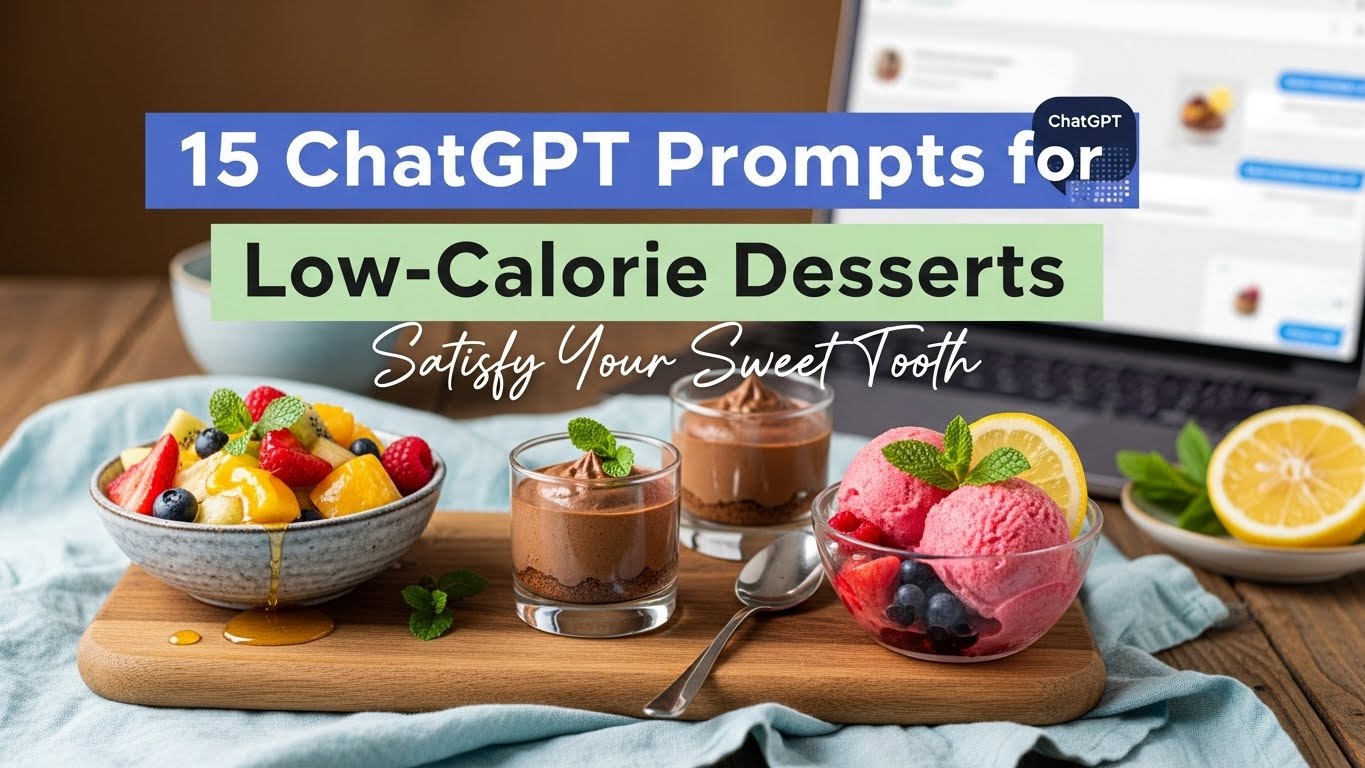
The real problem isn’t your lack of discipline. It’s that most “healthy” desserts taste like cardboard dipped in sadness. Low-calorie treats shouldn’t require you to pretend you’re enjoying them while secretly plotting your next real dessert binge. What if you could create genuinely delicious low-calorie desserts that satisfy your cravings without derailing your goals?
That’s exactly what these 15 ChatGPT prompts will help you achieve. These aren’t your typical “just eat an apple” recommendations or recipes that require seventeen obscure ingredients. These prompts will generate real desserts—decadent, satisfying, crave-worthy treats that happen to be lower in calories. Your taste buds won’t know the difference, but your waistline will.
Why Most Low-Calorie Desserts Fail (And How to Fix It)
Before we dive into the prompts, let’s understand why 99% of diet desserts end up disappointing you:
They sacrifice taste for calories. The classic mistake is simply removing sugar and fat without replacing them with ingredients that deliver satisfaction. You end up with something technically low-calorie but completely unsatisfying, leading to overeating later.
Texture gets ignored. A huge part of dessert satisfaction comes from texture—creamy, crunchy, chewy, smooth. Most low-calorie recipes focus only on flavor, creating desserts with weird, unpleasant mouthfeel that makes you want the real thing even more.
Portion psychology matters. Sometimes a truly satisfying small portion of something indulgent beats a large portion of something mediocre. Smart low-calorie desserts understand this principle.
Natural sweetness requires strategy. Fruit-sweetened doesn’t automatically mean satisfying. You need to understand which natural sweeteners work in which applications, how to balance sweetness with other flavors, and when strategic use of alternative sweeteners makes sense.
The “health halo effect” backfires. When people eat desserts labeled “healthy” or “low-calorie,” they often consume more because they subconsciously give themselves permission. Truly satisfying desserts prevent this compensation effect.
The ChatGPT prompts below address all these issues, helping you create desserts that work both psychologically and physically.
How to Use These Prompts for Maximum Dessert Satisfaction
Getting stellar results from these prompts requires a strategic approach:
Be honest about your calorie budget. If you’re working with 100 calories, say so. If you can afford 200-250, that opens more possibilities. ChatGPT will optimize within your specific parameters.
Specify your non-negotiables. Hate artificial sweeteners? Must be dairy-free? Need something chocolate? The more specific you are, the better your results.
Mention your kitchen equipment. Some desserts require ice cream makers or food processors. Others work with just a bowl and spoon. Be clear about what you have available.
Consider your skill level. If you’re a baking novice, say so. ChatGPT can provide simpler techniques with detailed instructions. Advanced bakers can request more complex preparations.
Think about planning ahead. Some desserts are spontaneous five-minute fixes. Others taste better after chilling overnight. Match recipes to your timeline.
Now let’s explore the prompts, organized by dessert type and craving situation.
Chocolate Craving Prompts
1. The Ultimate Chocolate Satisfaction Hack
I'm desperately craving rich, decadent chocolate but need to keep it under [specific calorie limit]. Create a low-calorie chocolate dessert that doesn't taste "diet" at all. I want real chocolate flavor with satisfying texture—creamy, rich, or fudgy. Include the science of why this combination satisfies chocolate cravings despite lower calories. Make it something I could serve to guests who'd never guess it was low-calorie.
Why this works: This prompt prioritizes genuine satisfaction over arbitrary “healthiness.” By focusing on the sensory experience and craving psychology, you get desserts that actually work.
2. The Chocolate Emergency Fix
I need a chocolate dessert RIGHT NOW using only ingredients commonly found in most kitchens. It should take less than 10 minutes to prepare and be under [calorie limit] per serving. I don't care if it's not Instagram-perfect—I just need something that genuinely tastes good and stops my chocolate craving before I raid the candy aisle. Prioritize speed and satisfaction.
Why this works: Cravings don’t wait for grocery shopping trips. This prompt creates realistic emergency solutions using what you already have.
3. The Guilt-Free Chocolate Indulgence
Design a chocolate dessert that feels truly indulgent—think mousse, lava cake, or chocolate cheesecake level—but engineered to be under [calorie limit]. I want the experience of luxury dessert without the calorie price tag. Include plating suggestions that enhance the indulgent feeling. Explain the ingredient swaps that maintain richness while reducing calories.
Why this works: Sometimes you need psychological indulgence as much as physical satisfaction. This prompt delivers the full dessert experience.
Ice Cream and Frozen Treat Prompts
4. The Better-Than-Store-Bought Ice Cream
Create a low-calorie ice cream recipe (under [calorie limit] per 1/2 cup serving) that rivals premium ice cream in taste and texture. I have [specify equipment: ice cream maker/just a freezer/food processor]. The texture must be creamy, not icy or grainy. I want [flavor profile] and it should taste good enough that I'd choose it over regular ice cream, not just tolerate it because I'm on a diet.
Why this works: Ice cream is all about texture. This prompt specifically addresses the textural challenges that make most low-calorie ice creams disappointing.
5. The Instant Frozen Dessert Magic
I need a frozen dessert that I can make RIGHT NOW without any advance preparation or churning. Use frozen fruit or other frozen ingredients I likely have. It should be under [calorie limit] and have a texture similar to soft-serve ice cream, sorbet, or frozen yogurt. Include creative flavor combinations that make it exciting, not just "frozen banana nice cream" again.
Why this works: Immediate gratification matters with dessert cravings. This prompt creates instant solutions without sacrificing quality.
6. The Make-Ahead Frozen Treat System
Design a system for preparing individual portions of low-calorie frozen desserts that I can grab whenever cravings hit. Create 3-4 different flavor variations, all under [calorie limit] per serving, that store well in the freezer for at least 2 weeks. Include the best containers for portion control and texture preservation. Make these so convenient that reaching for one is easier than driving to get ice cream.
Why this works: Convenience often determines success. This prompt creates a sustainable system rather than one-off recipes.
Baked Goods and Cookies Prompts
7. The Actually-Good Protein Cookie
Create a high-protein, low-calorie cookie recipe (under [calorie limit] per cookie, at least 5g protein) that doesn't taste chalky, artificial, or disappointing. The texture should be satisfying—either chewy, crispy, or that perfect combo of both. I want [flavor: chocolate chip/peanut butter/snickerdoodle/other]. Include tips for achieving bakery-quality texture despite the lower calories and higher protein.
Why this works: Protein cookies usually taste terrible. This prompt specifically addresses texture and flavor challenges to create something you’ll actually want to eat.
8. The Single-Serving Mug Magic
Design a low-calorie single-serving dessert that cooks in the microwave in a mug, taking less than 5 minutes total. It should be under [calorie limit] and satisfy cravings for [cake/brownie/cookie/cobbler]. The texture must be on point—moist, fluffy, or fudgy as appropriate. Give me the exact mug size and microwave timing for perfect results every time. This is my late-night craving solution.
Why this works: Mug desserts offer perfect portion control and instant gratification. This prompt ensures they actually taste good and have proper texture.
9. The Breakfast-Dessert Hybrid
Create a baked good that works as both a satisfying breakfast and a dessert, under [calorie limit] per serving. Include protein and fiber so it's actually nutritious, but make it taste indulgent enough to satisfy sweet cravings. Think muffins, breakfast cookies, or baked oatmeal that taste like treats but fuel your day. Explain the nutritional balance that makes this work for both purposes.
Why this works: Dual-purpose recipes maximize value and convenience. Morning treats can prevent evening dessert cravings.
Fruit-Based Dessert Prompts
10. The Elevated Fruit Dessert
Take seasonal fruit and transform it into a sophisticated low-calorie dessert that feels restaurant-quality, not just "have some fruit." I have [specific fruits available] and want something under [calorie limit] per serving. Include techniques that caramelize, roast, or otherwise intensify natural sweetness. Add complementary flavors and textures that make this feel like a real dessert, not a healthy alternative.
Why this works: Fruit can be amazing when treated properly. This prompt moves beyond basic fruit salad to create genuine dessert experiences.
11. The Hidden Vegetable Dessert
Create a dessert that incorporates vegetables for nutrition and volume but tastes purely like dessert—absolutely no vegetable taste whatsoever. Use [specific vegetables: zucchini/sweet potato/beets/pumpkin/cauliflower] and keep it under [calorie limit]. The vegetable should enhance texture or add moisture while remaining completely undetectable to eaters. Make it so good I forget I'm eating vegetables.
Why this works: Vegetables can add moisture, fiber, and volume to desserts without adding many calories, but only if they’re used correctly.
No-Bake and Simple Dessert Prompts
12. The No-Skill-Required Dessert
I'm not a baker and don't want to turn on my oven. Create a no-bake low-calorie dessert under [calorie limit] that requires minimal kitchen skills. Use simple assembly techniques and common ingredients. The result should still look and taste impressive enough to serve at a dinner party. Include foolproof instructions that even a kitchen novice can't mess up.
Why this works: Not everyone bakes, and summer heat makes oven-free desserts practical. This prompt ensures success for beginners.
13. The Elegant Dessert Cups
Design layered dessert cups or parfaits that are under [calorie limit] each but look fancy and Instagram-worthy. Include contrasting textures (creamy, crunchy, smooth) and complementary flavors. These should be impressive enough for entertaining but easy enough for weeknight treats. Suggest elegant serving glasses or jars and provide assembly tips for visual appeal.
Why this works: Visual presentation enhances satisfaction. Beautiful desserts feel more indulgent, even at lower calories.
Strategic Indulgence Prompts
14. The Portion-Controlled Decadence
Instead of compromising on quality, create a truly decadent, full-flavor dessert and engineer the portion size to hit exactly [calorie limit]. I want the REAL thing—real sugar, real butter if needed, authentic flavor—just in a perfectly calibrated portion that satisfies without overdoing it. Include psychological tips for being satisfied with a smaller portion and making it feel like enough.
Why this works: Sometimes quality over quantity is the answer. This prompt creates genuine dessert experiences in right-sized portions.
15. The Calorie-Savvy Substitution System
I have a favorite dessert recipe [paste or describe recipe] that I want to make lower-calorie without ruining it. Analyze the recipe and suggest strategic substitutions that maintain the essential character and taste while significantly reducing calories. Explain which elements are non-negotiable for flavor and which can be modified. Give me a side-by-side comparison of original versus modified calorie counts.
Why this works: Sometimes you don’t want a new recipe—you want your favorite dessert made better. This prompt optimizes what you already love.
Advanced Strategies for Low-Calorie Dessert Success
Now that you have all 15 prompts, let’s explore pro strategies that separate mediocre diet desserts from genuinely satisfying treats:
Understanding the Psychology of Dessert Satisfaction
Sensory complexity matters more than volume. A dessert with multiple textures and flavor layers satisfies more deeply than a larger portion of one-note sweetness. Include crunchy, creamy, and chewy elements when possible.
Temperature creates satisfaction. Very cold or warm desserts often feel more satisfying than room-temperature ones. The temperature contrast adds to the sensory experience.
Eating environment affects satisfaction. Serve your low-calorie dessert on nice plates, sit down to eat it mindfully, and actually taste it. This increases satisfaction independent of calories.
Anticipation enhances enjoyment. Desserts that require a bit of prep time build anticipation, making them more satisfying when finally eaten.
The Science of Sweetness Without Sugar Overload
Natural sweeteners have different properties. Dates provide caramel notes, maple syrup adds complexity, honey brings floral sweetness, and ripe banana contributes both sweetness and texture.
Vanilla amplifies perceived sweetness. Adding extra vanilla extract makes desserts taste sweeter without adding sugar or calories.
Salt enhances sweetness. A small pinch of salt makes sweet flavors pop and taste more intense.
Cinnamon and warming spices. These add complexity that makes desserts taste richer and more satisfying with less actual sugar.
Texture Engineering for Low-Calorie Success
Protein powder can work—if used right. Choose vanilla or unflavored varieties, never exceed 25% of total dry ingredients, and always add extra moisture to compensate for protein’s drying effect.
Greek yogurt is a texture miracle worker. It adds creaminess and protein while replacing much higher-calorie heavy cream or cream cheese in many applications.
Chia seeds create pudding magic. They absorb liquid and create creamy, satisfying textures in no-cook desserts.
Air incorporation matters. Whipping ingredients introduces air, increasing volume without calories. Whipped egg whites, whipped Greek yogurt, or even whipped coconut cream transform textures.
Ingredient Substitution Principles
Fat replacements require understanding fat’s role. If fat provides moisture, use applesauce or mashed banana. If it provides richness, try avocado or nut butter in small amounts. If it provides texture, you might need to keep some fat.
Sugar does more than sweeten. It also tenderizes, adds moisture, helps browning, and affects texture. When reducing sugar, you must address these other functions.
Flour alternatives change everything. Almond flour, coconut flour, and oat flour all behave differently than wheat flour. Don’t substitute 1:1 without understanding moisture and binding differences.
Common Low-Calorie Dessert Mistakes to Avoid
Over-relying on artificial sweeteners. They have their place, but using them exclusively can create weird aftertastes and doesn’t help retrain your palate to enjoy less-sweet foods.
Ignoring fat completely. Some healthy fat makes desserts more satisfying and helps with nutrient absorption. A small amount of nut butter or coconut often improves results.
Making everything “healthy.” Sometimes you just need dessert. Not every treat needs added protein, vegetables, or superfoods. Simple, genuinely satisfying desserts prevent rebellion eating.
Batch-making before testing. Always make a single serving first to test. Adjust seasoning, sweetness, and texture before committing to a full recipe.
Forgetting about satiety. Volume isn’t everything. A small, rich dessert with protein and fat can satisfy more than a large bowl of something watery and sweet.
Building Your Personal Low-Calorie Dessert Repertoire
The goal isn’t to collect 100 recipes you’ll never make. It’s to find 5-7 reliable desserts that you can rotate through, preventing boredom while maintaining your nutritional goals.
Creating Your Dessert Strategy
Identify your most common cravings. Do you typically want chocolate? Ice cream? Baked goods? Focus your prompt usage on recipes that address your actual cravings, not what diet culture says you should want.
Develop a weeknight vs. weekend system. Keep 2-3 super-simple recipes for busy weeknights when you need quick satisfaction. Reserve more elaborate recipes for weekends when you have time to enjoy the process.
Plan for different calorie budgets. Have options for when you can spare 100 calories versus 250 calories. Different situations require different solutions.
Create a craving emergency kit. Keep ingredients on hand for at least one instant dessert that you can make in five minutes with zero advance planning.
Testing and Refining Your Recipes
Keep a dessert journal. Note which recipes truly satisfied you, which left you wanting more, and which you’d never make again. Pay attention to your body’s actual response, not just theoretical nutritional value.
Rate satisfaction separately from taste. A dessert might taste good but leave you hunting for more food an hour later. Note which recipes actually eliminate cravings effectively.
Adjust sweetness gradually. If a recipe feels too sweet or not sweet enough, adjust by small increments rather than dramatic changes. Your palate can adapt to less sweetness over time.
Share successes with ChatGPT. When you find a winner, tell ChatGPT what worked and ask for similar recipes or variations. Build on success rather than starting from scratch each time.
The Mental Game: Shifting Your Dessert Mindset
Beyond recipes and techniques, sustainable success with low-calorie desserts requires mindset shifts:
Redefining “Worth It”
Calories aren’t the only cost. Consider preparation time, ingredient cost, satisfaction level, and how you feel afterward. Sometimes a 200-calorie homemade dessert that truly satisfies is more “worth it” than a 100-calorie disappointing one that triggers more cravings.
Quality over quantity. Train yourself to appreciate smaller portions of genuinely delicious food rather than large portions of mediocre diet food.
Satisfaction is the real goal. The best low-calorie dessert isn’t necessarily the one with the fewest calories—it’s the one that satisfies your craving completely so you don’t keep eating.
Breaking the Restriction-Binge Cycle
Deprivation triggers overeating. Having satisfying low-calorie desserts available actually prevents binge eating on high-calorie alternatives.
Planning reduces guilt. When dessert is a planned part of your nutrition strategy rather than “cheating,” you can enjoy it without psychological baggage.
Flexibility prevents rebellion. Sometimes you’ll want regular dessert, and that’s fine. Having great low-calorie options 80% of the time allows room for regular treats without derailing progress.
Celebrating Non-Scale Victories
Energy levels matter. Notice how different desserts affect your energy and sleep. The best options don’t spike your blood sugar or make you feel sluggish.
Satisfaction duration counts. Some desserts truly end cravings for hours. Others leave you wanting more immediately. Track which recipes keep you satisfied.
Mood improvements are real. Enjoying dessert without guilt can improve your relationship with food and reduce stress around eating.
Your Sweet Success Starts Tonight
You now have 15 powerful ChatGPT prompts specifically engineered to create low-calorie desserts that actually work. These aren’t desperate attempts to pretend vegetables are chocolate. They’re strategic recipes that understand the psychology of cravings, the science of satisfaction, and the reality of living with a sweet tooth while pursuing health goals.
The difference between someone who successfully maintains a healthy lifestyle and someone who yo-yo diets often comes down to one thing: having sustainable strategies for managing cravings. Dessert doesn’t have to be your downfall. With the right recipes, it can be part of your success strategy.
Here’s your action plan for tonight: Choose one prompt that addresses your current craving situation. Maybe it’s the Chocolate Emergency Fix because you’re about to raid the pantry, or the Make-Ahead Frozen Treat System because you want to set yourself up for success all week.
Open ChatGPT right now. Paste your chosen prompt. Customize it with your specific details—your calorie budget, available ingredients, equipment, and preferences.
Then make that dessert. Don’t just save the recipe for “someday.” Mix it, bake it, freeze it, or blend it tonight. Taste it. Enjoy it. Notice how you feel afterward.
If it works—and when you use the right prompt with honest details, it will—you’ve just discovered that satisfying your sweet tooth and reaching your goals aren’t mutually exclusive. You can have both.
Your kitchen is waiting. Your guilt-free dessert is one prompt away. Stop pretending you don’t want dessert and start making desserts worth eating.